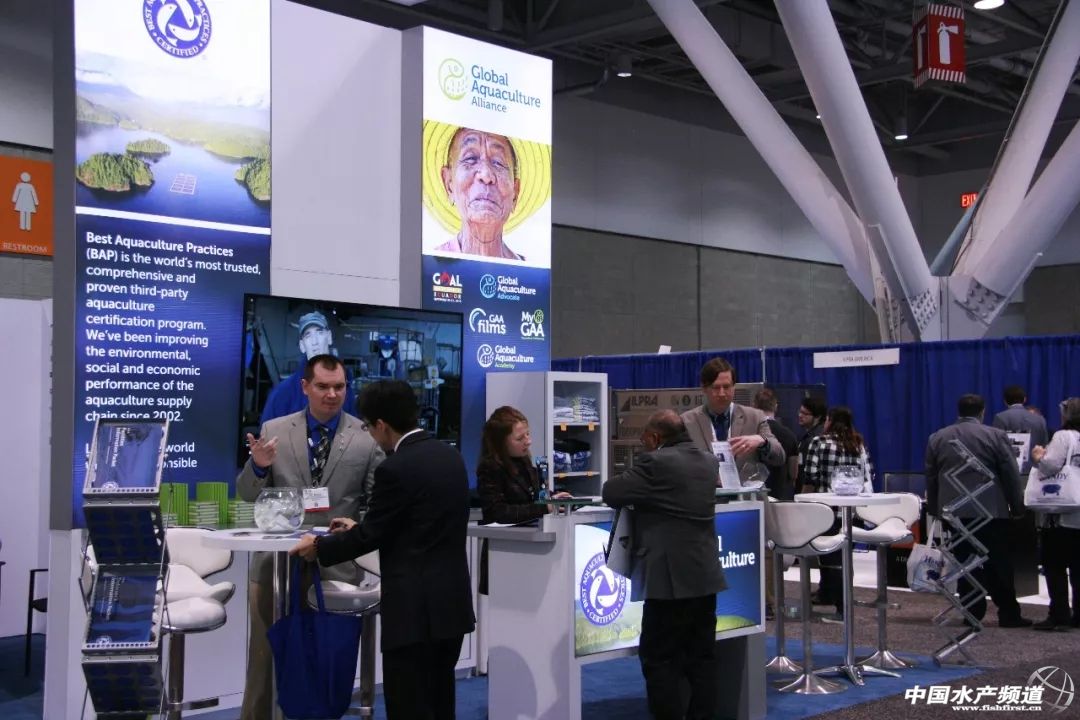
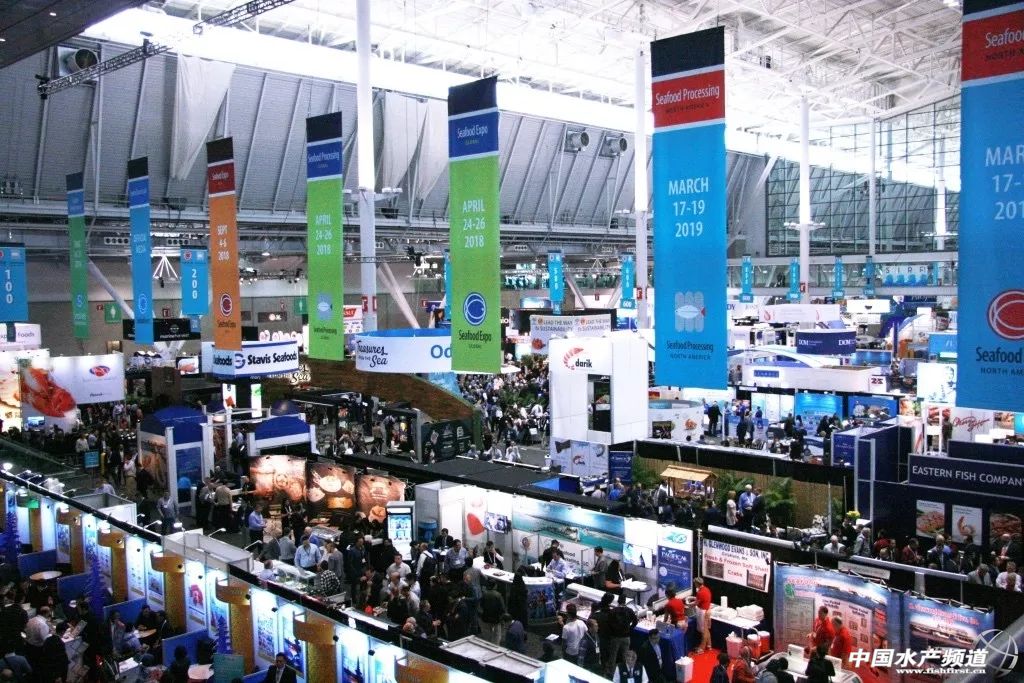
中國水產頻道獨家報道, 我已經向自己正式發出挑戰,在接下來的一年要更加努力地展示水產業的正面形象。在此,我也呼吁海鮮指南的讀者們,無論你們參與的是供應鏈的哪一個環節,請你們思考該如何挑戰自己,采取更多行動,講述自己的故事。 文/全球水產養殖聯盟(GAA)副總裁Steve Hart 譯/全球水產養殖聯盟(GAA)亞洲業務拓展總監畢敬樺(Jane) 圖/全球水產養殖聯盟(GAA)張帆(Danny)、Justin Grant 2018波士頓國際海鮮展剛剛結束,全球各地的參展商/觀眾已陸陸續續從波士頓歸來。 波士頓國際海鮮展,始于1982年,迄今已舉辦了36屆。30多年來,波士頓展見證了全球海產業的更迭發展。于中國而言,波士頓更是在近10年的時間里成為了中國大連、青島等地來料加工的加工廠的晴雨表。如今,中國作為全球最大的水產品消費市場之一,來料加工企業逐步轉型,并利用多年對國際市場的熟悉情況打開了中國的內銷市場,中國出口北美地區的羅非魚也有了一些新的變化。 現任全球水產養殖聯盟(GAA)副總裁的Steve Hart先生從業已經22年了,今年是第10年參加波士頓展會,其所在的全球水產養殖聯盟十多年前進入中國市場,推廣GAA旗下的最佳水產養殖規范(BAP)認證,目前在全球范圍內有超過2000個水產養殖場、苗場、飼料廠、加工廠獲得了該認證,BAP也成為主流市場上許多零售商和食品服務商的采購選擇。 在全球的市場中,Steve尤其關注北美和中國市場,在展會結束后,他應邀為海鮮指南寫了一篇他的參展隨感,內容如下(后附英文原版):
全球水產養殖聯盟(GAA)副總裁Steve Hart 要想贏得發展,必須順應變化 2018年波士頓國際海鮮展剛剛結束,有一個主題非常清晰:要想贏得發展,我們必須順應變化,正如展會最后一天惡劣的暴風雪席卷波士頓,參展商不得不做出調整來應對現實環境一樣,這明顯地說明了順應變化的必要性,展會的主題即必須適應市場不斷變化的要求,也更清晰地說明了這一點。 中國水產品需改善在北美乃至全球的市場形象 今年展會期間舉行的一些重要發布會,不僅對北美市場,更對整個全球市場有所暗示。其中,值得我們關注的是,智利三文魚生產企業宣布將打造獨特的智利三文魚品牌,引起了中國水產品供應商的特別關注。 據我了解,智利此舉并非要與加拿大、挪威等主要產區爭奪市場份額(因為智利許多三文魚生產企業也在這些地區養殖三文魚),這是在向市場和消費者推廣食用三文魚的益處和表明智利的三文魚產品質量上乘、符合所有的國際標準、能滿足全球的消費需求的信號。 智利三文魚養殖企業為何做此決定?一方面,智利三文魚行業想要向全球推廣其三文魚,另一方面,智利三文魚在北美地區的形象有些負面,因此智利商家決定正面解決這一問題并努力改善行業形象。智利三文魚供應商針對北美市場的舉措為何會引起中國水產供應商的興趣?正如智利三文魚在北美市場的負面形象,中國水產品在北美的市場形象亦是如此。
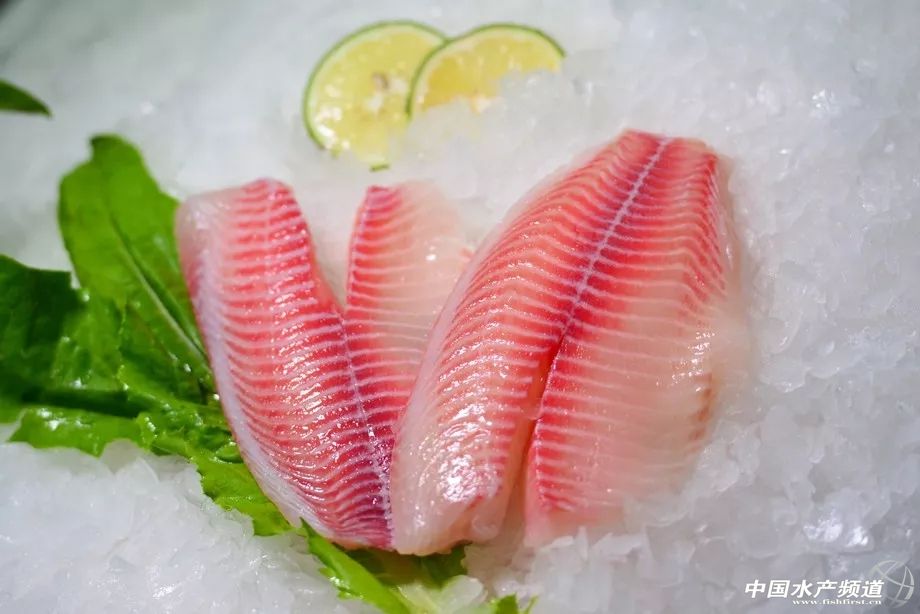
如同今年波士頓展會上另一個熱議的話題一樣,2017年中國冰凍羅非魚需求在北美市場持續下滑,這是否意味著美國市場對中國的羅非魚生產商已無希望?我認為不是。越南巴沙魚是中國羅非魚在北美市場主要的競爭對手之一,由于中國市場的需求不斷上漲,而進入美國市場的關稅與檢查標準提高,越南巴沙魚對美國的出口量急劇下降 與2016年相比,2017年美國對越南冰凍巴沙魚片的進口量下降了20%;12月的情況更為嚴重,與2016年12月相比,2017年12月進口量下降了25%。2017年美國對中國冰凍羅非魚片的進口量比2016年下降幅度超過5%;然而,或許是因為越南巴沙魚進口量減少,中國冰凍羅非魚片2017年12月進口量比2016年12月增加5%。這是否表明中國羅非魚生產商在北美市場商機擴大?我認為這取決于中國商家的意愿,看他們是否想擴大市場,改善中國羅非魚在北美市場的形象。
這不僅僅涉及到中國羅非魚生產商。我們可以看到,現在水產品供應商不僅與買家的交流越來越多,也越來越多的參與到終端市場。中國進入美國市場的水產品企業應當考慮到這一點,并且思考市場在如何不斷追求生產鏈透明化。這不僅涉及管理,也涉及市場意向。 不久后,美國管理部門也將發布新的產品追蹤規定,這一項目叫做水產品進口監控計劃(SIMP),目前主要監控野生水產品,但很快將覆蓋養殖蝦類,甚至將監控范圍擴大至所有的養殖水產品。 競爭越來越激烈,市場營銷戰略尤為重要 除水產品監控外,中國水產品生產商或許還可以考慮更多問題,比如北美市場的許多地區全面否定養殖水產品,尤其對中國養殖水產品的印象更加糟糕。我們可以看到,世界各地越來越多的水產品生產商都在向市場展示推銷自己的產品。如果生產商不公開透明,不展示他們的生產活動和生產環節,就會有別人來“幫忙”。 我認為參觀一家水產品公司確實能夠讓你意識到開發新思路和推廣產品的必要性,隨著市場不斷變化,未來推廣產品將變得更加重要。世界各地越來越多的消費者都在網上了解各種產品,這意味著短消息和短視頻對生產者而言愈加重要,借此,他們能夠展示自我。
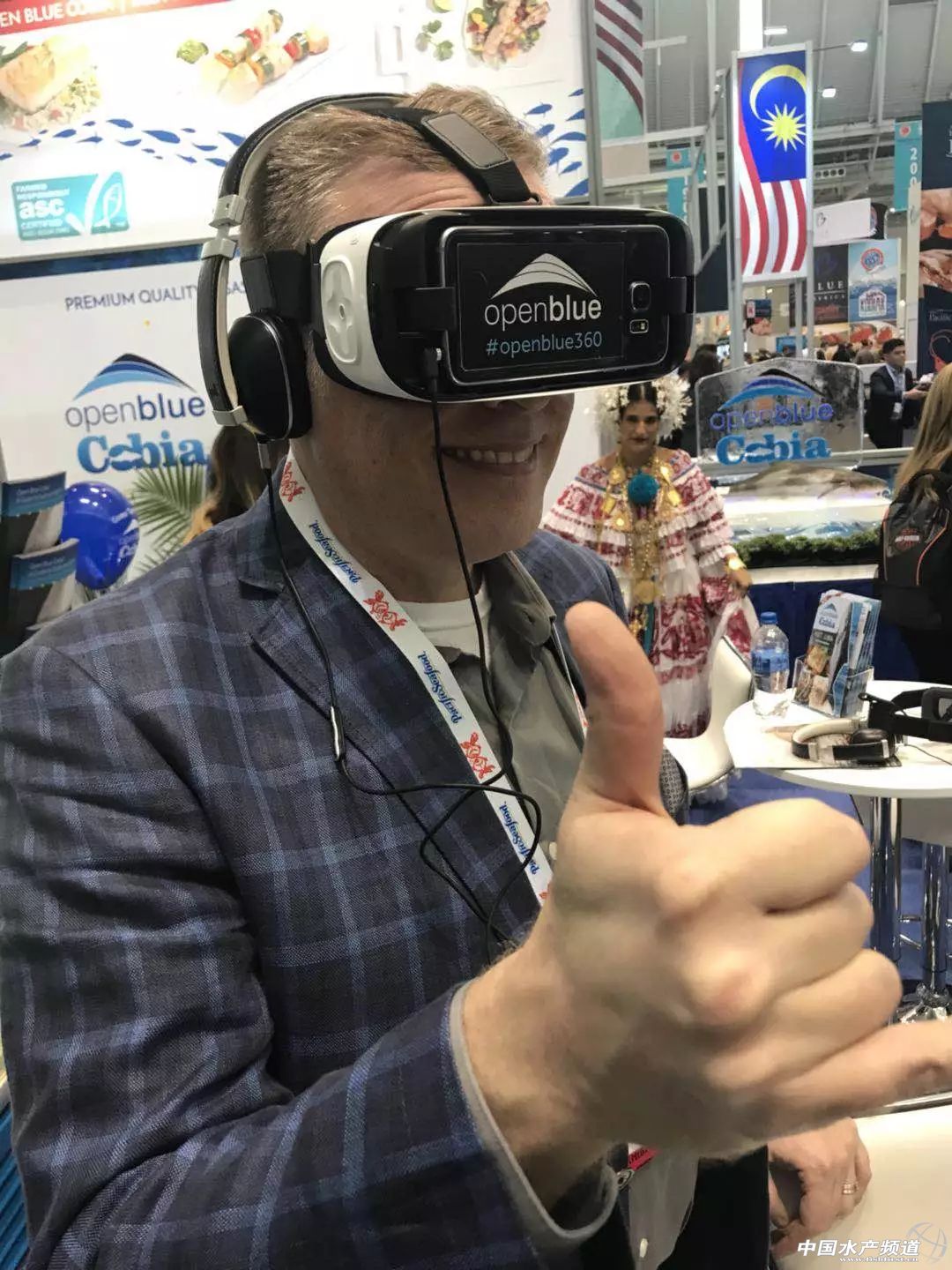
今年波士頓展期間,Steve參觀了Open Blue展臺 在波士頓展會期間,我參觀了Open Blue展臺,他們生產中美巴拿馬海岸地區的軍曹魚。他們在展臺設置了VR眼鏡,可以讓人們“身臨其境”,通過VR技術在一場短短5分鐘的展示中參觀他們的農場。帶上眼鏡,我“坐”上了直升機俯視農場的全景,然后我又“變身”潛水員,查看他們放置在水底的籠子,觀看農場的實時動態能夠消除市場和消費者對于產品生產的許多困惑。中國水產品公司也可以輕松地采用類似的策略,用無人機和水下攝影機鏡頭拍攝產品動態。 顯然,在美國市場之外,也必須重視這些市場營銷戰略。 在2017年青島舉辦的中國國際漁業博覽會上,很明顯可以看到中國的水產品產業重心已經由出口轉向進口。中國的水產品生產商正面臨著國內市場與日俱增的競爭壓力。考慮到中國發展迅猛的電商市場,市場營銷戰略顯得尤為重要。
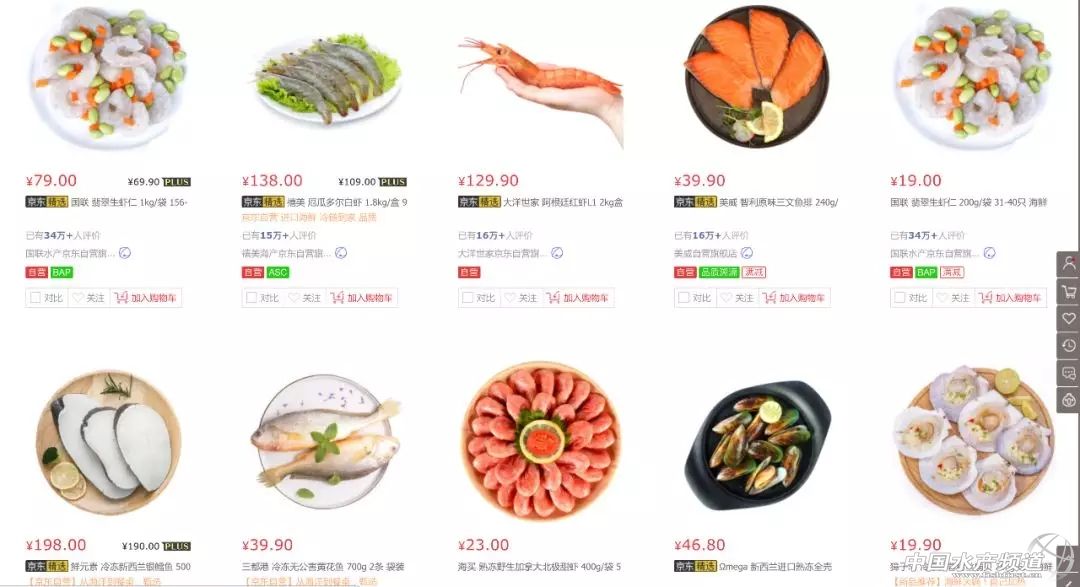
普華永道近期一項研究顯示,電商市場正成為中國食品行業發展最迅速的市場,但除此之外,電商市場也正在轉變消費者購買水產品的方式。越來越多的中國消費者正運用電商平臺來了解新產品,他們雖然在電商網頁上了解這些產品,但有可能會在別的市場進行購買,比如新零售店、餐館或是傳統的實體店。許多外國企業目前也正在開發市場營銷題材來展示自家產品。 中國水產品企業需要考慮他們該如何采取相同的辦法來進入未來市場。許多中國的龍頭企業已經在通過微信營銷活動進行宣傳,但是整個行業應該采取更多行動。 在我回顧去年從不斷變化的水產品行業所了解到的情況時,我認識到我自己必須做出調整,做出改進,這樣我才能成功。每一個從事水產品行業的人都應該認識到這一點。我們都應該展示自己,向市場,最終向消費者展示他們為什么要食用水產品。 我花了一段時間記錄我覺得要做的事,現在我想分享一個小故事,談談我現在采取的解決措施。最近我加入了水產品營養伙伴組織(SNP)的董事會工作,SNP是美國的一家非營利組織,旨在鼓勵美國人食用更多水產品。作為該機構的董事之一,我的工作就是指導我們該如何提升水產業在美國消費者心中的形象。SNP想贏得美國消費者的信任,使他們相信養殖水產品既安全又營養,這也是我作為新一屆董事會成員的要求。 我已經向自己正式發出挑戰,在接下來的一年要更加努力地展示水產業的正面形象。在此,我也呼吁海鮮指南的讀者們,無論你們參與的是供應鏈的哪一個環節,請你們思考該如何挑戰自己,采取更多行動,講述自己的故事。
原文如下: The 2018 Boston Seafood Show just concluded and there was one major theme that was obvious to me:we must adapt to changes if we are going to prosper in our businesses.This was obvious as show attendees had to adapt to the physical environment of the powerful blizzard that hit Boston on the final day of the show,and it was even more obvious as the theme of the show was the need to adapt to the changing requirements of the market. There were some major announcements during the show that will have implications for not only the North American marketplace,but for the entire global market.Of particular interest to the Chinese seafood producers should be the announcement by the Chilean salmon producers to begin marketing their products as being uniquely from Chile.This is not necessarily an effort to take away salmon market share from other major producing regions like Canada and Norway;as many of the companies producing salmon in Chile are also producing salmon in those other regions.This is more of an attempt to better educate the market and consumer on the benefits of eating more salmon and the fact that Chilean salmon meets all the international standards and is a high-quality product that can help meet the global demand for salmon. The question is why are the Chilean producers deciding to do this?In North America,there are negative impressions of Chilean salmon.The Chilean producers have decided to address this issue head-on and work to improve the image of their industry. Why should the actions of Chilean salmon producers be of interest to Chinese seafood suppliers to the North American market?Much like the negative impressions of Chilean salmon in the North American market,there are also negative impressions of Chinese seafood.Another common theme around the Boston show this year was the continuing decline of demand for Chinese frozen tilapia fillets in the North American market in 2017.Does this mean the U.S.market is hopeless for Chinese tilapia producers?I don’t believe so.One of the chief competitors for Chinese tilapia in the North American market is Vietnamese Pangasius.Because of increasing demand in China,and also tariffs and increased inspection requirements for Vietnamese Pangasius entering the U.S.market,Vietnamese Pangasius imports into the U.S.have decreased sharply. Frozen Pangasius fillet imports from Vietnam to the U.S.decreased 20%in 2017 compared to 2016;that decline was even larger in the month of December as the decrease was 25%in December 2017 compared to December 2016.For frozen tilapia fillets from China,there was a decrease of more than 5%in 2017 compared to 2016;however,likely because of the decrease in Pangasius imports,Chinese frozen tilapia fillets increased in December of 2017 compared to December of 2016 by more than 5%.Is this a sign of greater opportunity for Chinese tilapia producers in the North American market?I believe this depends on the willingness of the Chinese producers on focusing on marketing and improving the image of Chinese tilapia in the North American market. This goes beyond just Chinese tilapia producers.We are seeing more engagement of seafood providers with not only their buyers,but also the end market.Chinese seafood firms accessing the U.S.market should consider this and think about how the marketplace is really looking for more transparency in the supply chain.This has regulatory implications,but also market perception implications.New traceability requirements will soon be enforced by U.S.regulatory agencies.This program is called the Seafood Import Monitoring Program(SIMP).This is currently focusing on wild seafood products,but will also soon be enforced for farmed shrimp,and will likely be enforced to all farmed seafood as well. Chinese seafood producers should be thinking beyond just SIMP though.There is an overall negative perception of farmed seafood in much of the North American market,and in particular an even more negative perception of Chinese farmed seafood.We are seeing more seafood producers from around the world focusing on showcasing their products to the marketplace.If producers don’t become open and transparent about what they are doing and how they are producing their products,someone else will tell their story for them. A visit to one seafood company really highlighted the need for thinking of new ways to promote your products.I believe this will become even more important in the future as the marketplace continues to change.More consumers around the world are learning about products on the internet.This means short messaging and video is becoming more important for producers to be able to tell their own story.During the Boston show,I visited the Open Blue booth.They produce cobia off the coast of Panama in Central America.At their booth they had virtual reality goggles that allowed people to actually visit their farm in a short 5-minute presentation through this virtual reality presentation.While wearing the goggles I was able ride on a helicopter to get a panoramic view of the entire farm,and then I was able to be an underwater diver to see their sea cages from below.This ability to see what is happening on the farm removes a lot of the concerns that the marketplace and consumers might have about how the products are being produced.Chinese seafood firms could easily adopt tactics like this through use of filming with drones and underwater cameras. The importance of looking at these kinds of marketing tactics beyond just the U.S.market should be evident.When Chinese seafood companies look at their own domestic market,they are seeing increasing competition from foreign seafood companies trying to access the Chinese market.At 2017 China Fisheries&Seafood Expo in Qingdao,it was obvious that the Chinese seafood industry has transformed to an export-focused industry to an import-focused industry.Chinese producers are facing increasing competition for their own domestic market.This is really highlighted when considering the quickly growing e-commerce market in China.A recent study by PricewaterhouseCoopers showcased how e-commerce is the most rapidly growing market for the food sector in China,but beyond this,the e-commerce market is also driving change in how consumers purchase seafood.A growing number of Chinese consumers are using e-commerce platforms as a method to learn about new products.As they learn about those products on e-commerce sites,they are likely to buy those same products in other markets such as new retail,restaurants and traditional brick and mortar stores.Many foreign companies are now developing marketing material so they can tell their stories. As I reflect on what I’ve learned over the last year while working in the ever-changing seafood world,I know that I must personally adapt and evolve so my business will succeed.This same theme needs to be adopted by everyone working in the seafood industry.We all need to tell our story and show the marketplace,and ultimately the consumers,why they should be eating seafood.I’ve spent a lot of time writing about what I think needs to happen,now I will share a short story on what I am doing to address these same issues.I was recently asked to serve on the board of directors of the Seafood Nutrition Partnership(SNP).SNP is a non-profit organization in the U.S.focused on getting Americans to eat more seafood.Currently only one in ten Americans eat the recommended amount of two seafood meals per week.As a board member of SNP,my role will be to provide guidance on how we can improve the image of aquaculture to the American consumer.SNP wants to build trust with the American consumer that farmed seafood is nutritious and safe,and that is my mandate as a new board member of SNP. Chinese seafood companies need to consider how they are going to begin doing the same thing to access future markets.Many of the leading Chinese companies are already doing this through online WeChat marketing campaigns,but all of the industry needs to do more. I have challenged myself personally and professionally to do more to tell the positive story of aquaculture in the coming year.As I wrap-up this summary,I challenge you readers to consider how you can challenge yourselves to do more to tell the your story,no matter what part of the supply chain you are engaged with. 轉載聲明 海鮮指南獨家稿件,如需轉載請注明來源。 【關鍵字】:水產養殖 |
| 重點推薦 |
| |
 微博互動
微博互動免責聲明:
1、凡本網注明“來源:水產前沿網”的所有作品,均為水產前沿網合法擁有版權或有權使用的作品,未經本網授權不得轉載、摘編或利用其它方式使用上述作品。已經本網授權使用作品的,應在授權范圍內使用,并注明“來源:水產前沿網”。違反上述聲明者,本網將追究其相關法律責任。
2、凡本網注明“來源:XXX(非水產前沿網)”的作品,均轉載自其它媒體,轉載目的在于傳遞更多信息,并不代表本網贊同其觀點和對其真實性負責。
3、如本網轉載涉及版權等問題,請作者在15天內來電或來函與水產前沿網聯系。聯系方式:020-85595682。